Blog
Winter Skincare Routine: 7 Simple Tips for Dry Skin

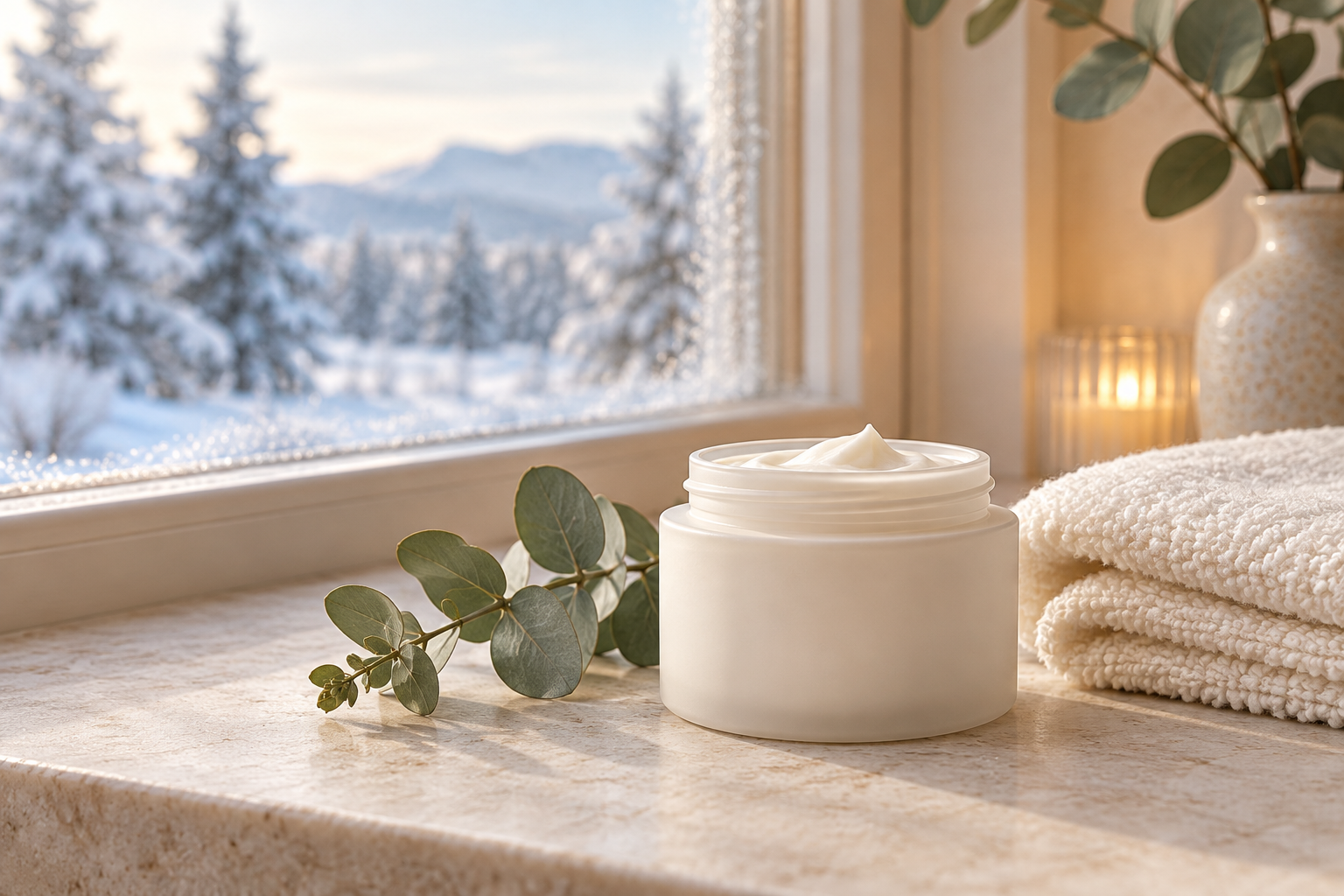
 Cold air, indoor heating and hot showers can leave skin feeling dry. These practical winter skincare tips keep your routine gentle and comfortable.
Why winter can dry your skin
Cold weather and low humidity make it harder for skin to retain moisture. A few seasonal adjustments can help reduce tightness and flaking.
1. Cleanse gently
Choose a mild, fragrance-free cleanser and avoid washing until your skin feels stripped. If your face is not oily in the morning, rinsing with water may be enough.
2. Keep showers short and warm
Hot water can worsen dryness. Keep baths and showers brief, use warm rather than hot water, and pat your skin dry instead of rubbing.
3. Moisturise while skin is damp
Apply moisturiser soon after washing to help hold onto water. A cream or ointment may suit very dry areas. If your skin is oily or acne-prone, choose a lighter, non-comedogenic formula that feels comfortable.
4. Go easy on exfoliation
If your skin feels irritated or flaky, pause harsh scrubs and reduce products that sting or burn. Avoid starting several strong active ingredients at once; keep the routine simple until your skin feels comfortable.
5. Keep sunscreen in your morning routine
UV exposure does not disappear in winter. Use broad-spectrum sunscreen with SPF 30 or higher on exposed skin, and follow the label for reapplication, especially during extended time outdoors.
6. Protect your hands and lips
Carry fragrance-free hand cream and apply it after washing. Wear gloves outside and use lip balm to protect lips from cold, dry air.
7. Add moisture to dry indoor air
A clean cool-mist humidifier may help when indoor air feels very dry. Follow the manufacturer’s instructions and clean it regularly.
A simple winter skincare routine
Morning routine
Gentle rinse or cleanser, moisturiser, then broad-spectrum SPF 30+.
Evening routine
Gentle cleanser, then moisturiser. Add extra cream to dry spots as needed.
When to contact a dermatologist
If dryness becomes painful, cracks or bleeding appear, or itching does not improve with gentle care, contact a qualified dermatologist. Persistent symptoms may need individual advice.
Further reading
These tips are general skincare information, not a diagnosis or treatment plan. Read the American Academy of Dermatology’s advice on cold weather and dry skin.